

China seeks to seize 61,800 BTC tied to $5.7 billion fraud scheme
China moves to seize 61,800 Bitcoin linked to a massive fraud case. Here’s what the court ruling means for victims and the seized crypto.
Daily Bitcoin and crypto news: markets, regulation, security and privacy.
China moves to seize 61,800 Bitcoin linked to a massive fraud case. Here’s what the court ruling means for victims and the seized crypto.

The new voting system targets settlement in about 150 milliseconds, potentially shortening waits for payments and deposits. Users can keep their existing wallets.

A Jamaican man was sentenced to six years in federal prison in Michigan for his role in a lottery fraud that stole $3.4 million from 28 victims across the U.S. He faces deportation after his term.
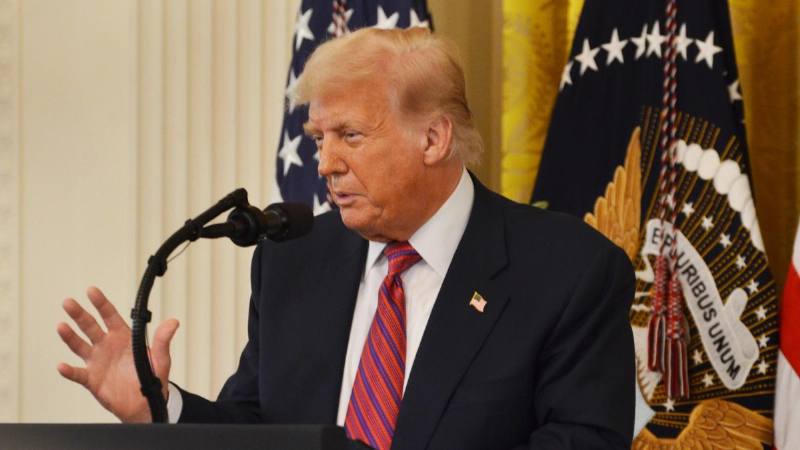
The president is hosting a cybercrime event that will highlight U.S. authorities' efforts to crack down on crypto scams run by foreign criminal organizations.

The startup is retiring its own blockchain and moving to Sui with a $30 million investment as it narrows its focus to AI training data.
Zcash price stalls below October resistance as its upgrade to 25-second blocks nears, adding a new fee reserve and a deadline for old Sprout funds.

When it comes to the U.S., Bybit will look to work with with someone like Interactive Brokers (IB), for example, said CEO Ben Zhou.
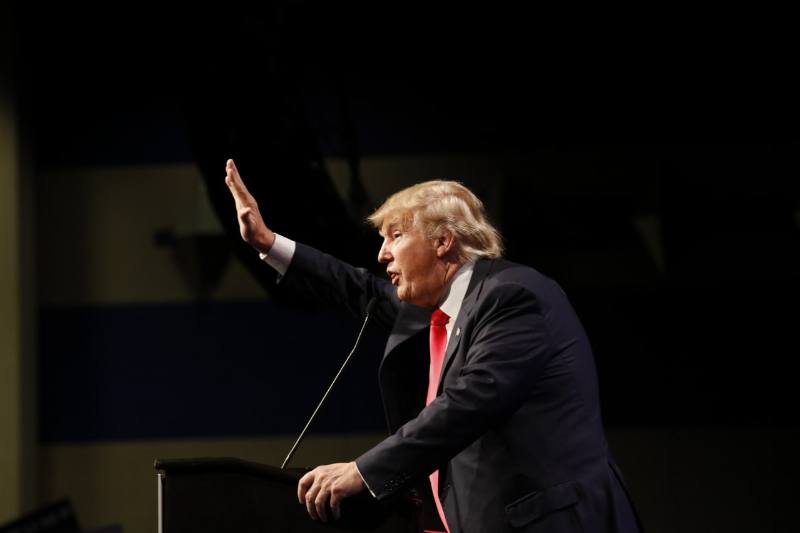
The Trump crypto scam crackdown has frozen $938M from overseas fraud rings, a fraction of the $11.37B Americans lost to crypto scams in 2025.

DefiLlama finds nearly 90% of FXRP supply is deployed in DeFi, while Flare's data connector accounts for 45% of its protocol revenue.

A federal judge approved a $210 million class action settlement resolving securities fraud claims against Estée Lauder over allegedly misleading growth forecasts tied to Chinese daigou sales. The deal, led by Michigan pension funds, provides recovery for eligible shareholders who bought shares from 2022 to 2025.

DOGE price tests key resistance as Dogecoin Labs takes over MyDoge, DogeOS and Such App and House of Doge swaps its exclusive deal for equity.

GENIUS Act rule from the OCC drops the presumption against third-party stablecoin rewards, but existing programs get no safe harbor or cure period.